Commercial Moves in Camden Town
When a business in Camden Town needs to relocate, the move is rarely just about boxes and vans. It is about keeping operations running, protecting equipment, handling staff schedules, and making sure customers experience as little disruption as possible. That is why Commercial Moves in Camden Town need a practical, well-planned approach that fits the reality of the area: busy streets, mixed-use buildings, tight loading access, and a wide variety of property types from office suites and shops to studios, cafés, clinics, and shared workspaces.
Whether you are moving a small office near the local high street, transferring stock between retail premises, shifting equipment from a workshop, or planning a larger business relocation, the right local team can make all the difference. A move should feel organised, efficient, and manageable — not stressful. This page is designed for local customers who want clear information about what is included, what affects the cost, how to prepare, and why using a team familiar with Camden Town is such a practical choice.
Business moves are time-sensitive. You may need to relocate outside trading hours, fit around staff availability, or move in stages to keep essential services live. You may also be working in a building with stair access, lift restrictions, shared entrances, or limited parking. A professional commercial removals service is built around those realities, with the aim of helping you move with less downtime and better control.
Local Commercial Relocation Support for Camden Town Businesses

Camden Town has its own movement challenges, and that is exactly why local experience matters. Streets can be busy at peak times, access can be tighter than expected, and many business premises sit in buildings where loading bays, lift access, and entry points need careful coordination. Commercial relocation is not just a transport job; it is a logistics task that benefits from planning, clear communication, and an understanding of how local spaces work.
We help a wide range of commercial customers, including small offices, independent retailers, hospitality venues, professional practices, creative studios, and light industrial premises. Some clients are moving a few desks and filing cabinets. Others need support with shelving, archived paperwork, IT equipment, point-of-sale systems, display stands, or specialist furniture. Every move is different, but the same priorities remain: protect the contents, minimise interruptions, and complete the relocation efficiently.
For many businesses, the biggest concern is not simply getting everything from one building to another. It is making sure the move does not interfere with trading, appointments, deliveries, or staff productivity. A well-managed commercial removals plan can be scheduled around your business hours, with phased moving options available where appropriate so you can keep part of the operation running while the rest is relocated.
What Commercial Moves in Camden Town Can Include

A good business relocation service should be flexible enough to support different types of commercial property and equipment. In Camden Town, that often means dealing with a mixture of modern office layouts, older buildings, converted spaces, and multi-tenant units. The service may include dismantling, safe handling, loading, transport, unloading, and placement at the new premises. Depending on your needs, it can also include careful coordination for fragile or high-value items.
Typical items moved during a commercial relocation may include:
- Office desks, chairs, storage cabinets, and meeting tables
- Computers, monitors, printers, and other IT hardware
- Retail stock, merchandising units, shelving, and display fixtures
- Files, records, and archive boxes
- Hospitality furniture, kitchen equipment, and front-of-house items
- Workshop tools, light machinery, and specialist equipment
- Reception furniture, signage, and business supplies
Many businesses also need help with move sequencing. That means deciding what should go first, what can be moved after hours, and what must stay in place until the final handover. This kind of planning helps reduce disruption and makes the relocation feel more controlled. If your business has multiple departments or floors, the move can be broken down into manageable stages rather than treated as one rushed event.
Why Local Knowledge Matters for Office and Business Removals

A local team that understands Camden Town can plan more effectively around practical issues such as access, parking, building entry, and timing. That is especially helpful for businesses in busy commercial corridors, near high footfall areas, or in mixed residential and commercial streets where space is limited. A mover who already understands the area is better placed to anticipate likely issues before moving day arrives.
Parking restrictions and loading limitations are common concerns for local customers. If a vehicle cannot stop close enough to the premises, the move can take longer and become more disruptive. That is why it helps to work with a team that knows how to assess access in advance and choose sensible moving windows. In some cases, a smaller vehicle may be more suitable for narrow streets or tighter access points; in others, a larger vehicle can make sense if loading conditions allow it.
Local knowledge is also useful for businesses in shared buildings, upper floors, or converted properties. These locations may require extra attention to stairways, lift capacity, floor protection, and the safe movement of bulky items through hallways or reception areas. A mover with local experience can build the relocation plan around those constraints rather than discovering them at the last minute.
Types of Commercial Customers We Commonly Help
Commercial moves are not one-size-fits-all, and Camden Town businesses come in many forms. A small creative agency has very different needs from a retail shop, and a medical or wellness practice may need particularly careful handling of sensitive items. The same is true for cafés, studios, consultancies, and light industrial units. The service is designed to adapt to the setting rather than forcing every move into the same process.
Examples of commercial customers who may benefit from professional removals support include:
- Office teams relocating between business premises or downsizing
- Independent shops moving stock and fixtures to a new trading space
- Hospitality businesses refreshing or transferring equipment and furniture
- Clinics and professional practices moving in a controlled, discreet way
- Studios and agencies transporting desks, files, and specialist equipment
- Warehouses and workshops shifting tools, shelving, and operational items
Every business move has a different rhythm. Some need everything out in one evening so the next day can start in a fresh location. Others need a gradual transition so staff can keep working while the final items are moved. A local removals team can help you choose the right approach based on your building type, business hours, and the amount of equipment involved.
How the Commercial Moving Process Usually Works

Planning is the foundation of a successful business relocation. The process typically begins with an enquiry and a discussion about the size of the move, the type of premises, the items involved, and the preferred moving date. For larger or more complex relocations, an assessment of access and logistics may be helpful so that the move can be organised with fewer surprises on the day.
A typical commercial moving process may follow these steps:
- Initial discussion about the move, timings, and business requirements
- Assessment of items to be moved and any special handling needs
- Planning around access, building restrictions, and parking conditions
- Preparation of packing, labelling, and dismantling requirements
- Moving day loading, transport, unloading, and item placement
- Optional staged relocation or final adjustments at the destination
Throughout the process, communication matters. Businesses often need to coordinate staff, suppliers, landlords, building managers, and sometimes neighbouring tenants. A structured moving plan helps keep everyone aligned. It also allows the team to focus on protecting the items being moved, rather than reacting to avoidable last-minute issues.
What Makes a Business Move in Camden Town Different?
Camden Town includes a mix of property styles, and that has a direct effect on how a commercial move should be handled. Some businesses occupy modern premises with better service access, while others are housed in older conversions or upper-floor units with narrower routes. Retail units may have front-of-shop loading considerations, while office spaces might need lift booking or shared corridor protection. These details sound small, but they can shape the entire move.
The area is also known for being active and varied, which means timing can matter just as much as transport. Moving during a quieter period may reduce disruption to your business, your neighbours, and nearby pedestrian traffic. For some customers, early morning or after-hours moves are the most practical. For others, a weekend relocation is the preferred option. A local team can help you decide what makes sense for your premises and your operations.
Commercial customers also tend to need more care around continuity. Unlike a home move, a business relocation may involve staff who must be ready to work the next day, systems that need reconnecting, or stock that needs to be available quickly. The aim is not just to move items; it is to support your business in getting back to normal as soon as possible.
Preparation Checklist for a Smooth Commercial Move
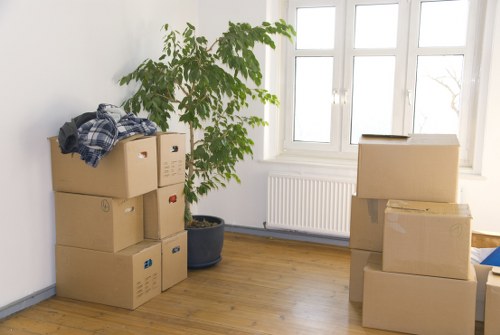
Preparation is one of the simplest ways to make a business move easier. Even the best moving team benefits from a well-organised premises, clear labels, and a decision on what should be moved, stored, recycled, or left behind. A bit of preparation can save significant time on moving day and reduce the risk of confusion when items arrive at the new site.
Here is a practical checklist for local business customers:
- Confirm the move date, access times, and building rules
- Notify staff of packing deadlines and relocation arrangements
- Label boxes and items by department, room, or function
- Back up digital files and safely secure important data
- Separate confidential documents for controlled handling
- Measure larger furniture and check route widths and lift access
- Identify fragile, high-value, or specialist equipment early
- Arrange parking or loading permissions if required
- Set aside items that must be moved last or first
- Disconnect equipment only when it is safe to do so
Good preparation does not need to be complicated. Even simple actions like colour-coding boxes, marking priority items, and making a basic room plan can make unloading faster and more accurate. If your team is busy, the removals crew can often advise on what to prepare first and what can be handled on the day.
Pricing Factors for Commercial Moves
Every commercial move is different, so the cost depends on several practical factors rather than a single fixed formula. Businesses in Camden Town often want clarity before they commit, and that is understandable. The best way to approach pricing is to look at the moving requirements in detail so the service matches the scale and complexity of the job.
Common factors that may affect pricing include:
- The size of the premises and the volume of items being moved
- Whether dismantling and reassembly are needed
- Access conditions at both the collection and delivery points
- Distance between premises and the number of trips required
- The need for after-hours, weekend, or phased moving arrangements
- Special handling requirements for fragile or high-value items
- Any parking, loading, or building restrictions that add time to the move
For local businesses, it is often helpful to request a quote early, especially if the move involves a deadline such as lease expiry, a fit-out schedule, or a business reopening date. A clearer understanding of the work involved makes it easier to plan the move properly and avoid unnecessary disruption. Contact us today to request a free quote and discuss the best way to approach your relocation.
Why Choose a Local Commercial Removals Company
Working with a local team has practical advantages that matter on moving day. A company familiar with Camden Town is more likely to understand the local traffic flow, the type of access many buildings have, and the common issues that can slow a relocation down. This kind of local awareness can improve timing, reduce stress, and help the move feel better organised from the start.
There is also value in choosing a team that understands the different pressures facing local businesses. A small office may need discretion and minimal interruption. A retail unit may need careful handling of stock and fixtures. A hospitality venue may need the move timed around deliveries or trading patterns. A local service provider can build the move around those priorities rather than offering a generic approach.
Another benefit is responsiveness. If your plans change, your building rules shift, or you need to adjust the move schedule, it is easier to work with a local crew that can adapt quickly. That flexibility can be very helpful when dealing with the realities of commercial property, where schedules are often tighter than expected and plans can evolve at short notice.
Areas Covered Around Camden Town
Commercial relocation needs do not stop at one street or one business district. Many customers in and around Camden Town operate across nearby neighbourhoods, and a local removals service should be able to support moves across the surrounding area as part of a wider route and access plan. This is especially useful for companies transferring between branches, storage points, offices, or retail locations.
Areas and nearby places often served can include surrounding residential and commercial districts, mixed-use streets, business clusters, and local trading areas near transport links. If your premises are in a busy part of Camden Town or a nearby neighbourhood with restricted access, it is worth discussing the route and timing early so the moving plan suits the location.
Businesses with multiple sites may also benefit from coordinated moves between nearby premises. For example, stock may need to be shifted from one store to another, files may need to be transferred to an off-site office, or equipment may need to be moved from a storage unit to a work premises. A local service can often handle these transitions with more ease than a less area-aware team.
What to Expect on Moving Day
On moving day, the goal is straightforward: arrive on time, load efficiently, protect the items, and get everything to the new location in the correct order. A commercial move should feel structured rather than chaotic. The team will normally work methodically through the agreed plan, with attention to priority items and any special handling instructions.
At the collection site, the process may involve:
- Protecting floor areas and sensitive surfaces where needed
- Loading items in a sensible sequence to support safe transport
- Handling fragile items and equipment with extra care
- Keeping labelled items grouped for easier unpacking
- Checking access routes before moving bulky furniture
At the destination, items are usually unloaded according to the planned room or department layout. This helps the business settle in faster and reduces the need for extra repositioning later. Where needed, furniture may be reassembled and placed so staff can begin setting up workstations, stock areas, or customer-facing spaces more quickly.
Practical Benefits for Local Businesses
Choosing a specialist in business removals can make a noticeable difference to the quality of the move. The most important benefits are often the ones that protect your time and reduce operational stress. That matters whether you are relocating a single office floor or moving an entire business premises.
Here are some of the key benefits customers usually look for:
- Less downtime through better scheduling and more organised loading
- Safer handling for furniture, stock, IT, and business equipment
- Clearer coordination between staff, premises, and moving crews
- Better use of local access knowledge to avoid delays
- More control over the move through staged planning and room-by-room placement
For many customers, the real value is peace of mind. Knowing that the move is being handled by a team used to commercial property in Camden Town allows you to stay focused on the business itself. That can be especially important if you are managing clients, orders, appointments, or opening dates alongside the relocation.
Frequently Asked Questions About Commercial Moves in Camden Town
Do you move businesses outside normal hours?
Many commercial customers prefer early morning, evening, or weekend moving times to reduce disruption. Availability depends on the move details and schedule, so it is best to discuss timing when requesting a quote.
Can you help with office furniture dismantling and reassembly?
Yes, many business relocations need desks, tables, shelving, or storage units dismantled before transport and reassembled at the new premises. This should be arranged in advance so the team arrives prepared.
What if my premises has limited parking or narrow access?
That is common in and around Camden Town. Access details are important because they affect loading time, vehicle choice, and how the move is planned. It helps to mention these challenges early so the relocation can be organised properly.
Can confidential files and sensitive equipment be handled carefully?
Yes, many commercial moves involve records, data-related equipment, and business-sensitive materials. These items should be separated, labelled, and handled according to your internal procedures.
How far in advance should I book a business move?
The earlier you enquire, the easier it is to plan around your preferred date and any access requirements. Larger moves, multi-floor moves, and relocations with deadlines should be arranged as far ahead as possible.
Do you support smaller businesses as well as larger premises?
Absolutely. Commercial relocations range from a small consultancy moving a handful of workstations to a larger operation shifting multiple departments. The service should be tailored to the size and complexity of the job.
Planning Your Next Move with Confidence
If your business is preparing for a relocation, now is the right time to start planning the practical details. Think about what needs to move, what can be boxed early, which items need special attention, and how the move should fit around your trading schedule. The more clearly the job is defined, the smoother the relocation is likely to be.
For customers looking into Commercial Moves in Camden Town, the best next step is usually to request an early quote and discuss access, timings, and the type of premises involved. That allows the move plan to be shaped around your actual needs rather than left to guesswork. Whether you are relocating a shop, office, clinic, studio, or other business premises, a local team can help make the process more manageable.
Request a free quote if you are preparing for a business move and want a practical, local service that understands the area. Book your service now and take the first step toward a smoother relocation for your team, your equipment, and your customers.
Useful reminder for local customers
Start with access, timing, and item lists. Then add any special handling needs, building restrictions, or parking issues. That simple preparation can save time and help the move go much more smoothly.
In short
Camden Town business relocations work best when they are planned locally, handled carefully, and scheduled around real-world commercial needs.