Camden Removals Guide for Camden Market Moves
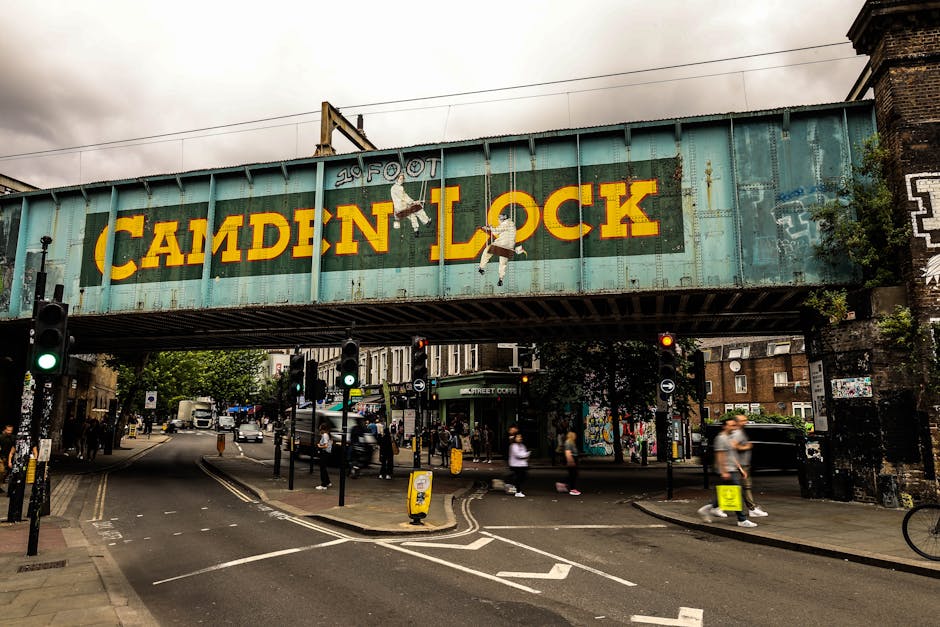
If you are planning a move around Camden Market, you already know this is not a standard London relocation. Narrow streets, busy footfall, loading restrictions, awkward staircases, and the general hum of a place that never quite sits still all change the game. This Camden Removals Guide for Camden Market Moves is designed to help you plan properly, avoid the usual headaches, and get your belongings from A to B without turning moving day into a minor emergency. Whether you are shifting a flat, relocating a small business, or moving stock near the market, the right approach saves time, money, and a lot of stress.
Truth be told, many move problems in Camden are not caused by the move itself. They happen before the van even arrives: poor timing, underestimated access, and not enough packing. So let's walk through the practical stuff that actually matters.
Why Camden Removals Guide for Camden Market Moves Matters
Camden Market is one of those places where logistics feel simple on paper and then suddenly become... not simple. The area is busy, compact, and highly pedestrianised in parts. If you are moving close to the market, the biggest challenge is usually not distance. It is access.
That matters because access shapes everything: what size vehicle can reasonably stop nearby, how long loading will take, whether you will need extra hands, and how much of the move must be broken into smaller runs. A careful plan reduces the risk of delays, damage, and those awkward last-minute decisions that cost more than they should.
This guide also matters because different moves need different solutions. A student flat in Camden is not the same as a retail unit, and a home move is not the same as moving stock, instruments, or office equipment. The right service approach could be a flexible man and van setup, a fuller removals job, or something more specialist like piano removals.
In our experience, the people who do best in Camden are the ones who plan for the space they actually have, not the space they wish they had. Small difference. Huge outcome.
How Camden Removals Guide for Camden Market Moves Works
A Camden market move works best when you treat it like a sequence of smaller decisions rather than one big leap. First, you assess access. Then you work out what needs moving, what can be packed early, what needs protection, and which items should travel together. After that comes vehicle choice, timing, and any storage or staging you may need.
The process typically starts with a survey or at least a clear inventory. That inventory should include bulky items, fragile items, awkward shapes, and anything that needs disassembly. A good mover will also ask about stairs, lifts, parking, and loading distance. If they do not ask, you should probably ask yourself.
For some jobs, a smaller vehicle and nimble crew are better than a bigger truck. On tight streets, a removal van can be much easier to position than a larger vehicle. For larger household or business relocations, a moving truck may be the smarter call, especially when the load needs to go in fewer trips.
There is also the question of packing. If you pack well, the move becomes faster, safer, and far less chaotic. If you do not, even a short Camden move can drag on for hours. Some customers prefer full packing and unpacking services, while others just need sturdy materials and a solid plan through packing and boxes.
Key Benefits and Practical Advantages
The main benefit of planning a Camden Market move properly is control. You are not just moving possessions; you are controlling time, access, safety, and stress levels.
- Less downtime: especially important for traders, freelancers, and small businesses that cannot afford a long interruption.
- Lower damage risk: fewer rushed lifts, fewer scratches, fewer "how did that happen?" moments.
- Better vehicle fit: choosing the right vehicle for Camden streets can save a lot of wasted time.
- Clearer budgeting: the better the plan, the fewer surprise extras show up later.
- More flexible scheduling: early starts, off-peak moves, and staggered loading all become easier when you plan ahead.
There is also a very practical human benefit: you feel calmer. That sounds soft, but moving day is easier when your head is not spinning. The room feels less noisy, the piles feel less impossible, and the whole thing becomes manageable.
For homes, flats, and student accommodation, services like flat removals, home moves, and student removals often make the most sense. For businesses, especially around the market, commercial moves and office removals are usually the better fit.
Who This Is For and When It Makes Sense
This guide is for anyone moving in or around Camden Market, but especially for people who are dealing with one or more of these realities:
- tight access or limited roadside stopping space
- stairs, basements, or no lift access
- fragile stock, artwork, musical instruments, or specialist items
- short-notice moves with limited packing time
- businesses needing to minimise interruption
- tenants moving in or out of small flats
- students who need a quick, efficient, budget-conscious move
It also makes sense if you are not sure what level of help you need. Sometimes a full moving crew is overkill. Sometimes trying to do it all yourself is the expensive option in disguise. A smaller job might suit a man with van arrangement, while a trickier or larger one may need a more complete removal services package.
If you are moving furniture out first and the rest later, you may even benefit from a staged approach. That is where furniture removals or a one-off furniture pick up can keep the job tidy and manageable.
Step-by-Step Guidance
Here is the simplest way to handle a Camden Market move without making it harder than it needs to be.
- Map the access. Check the walk from property to vehicle space. Note kerbs, steps, doors, stair widths, and anything awkward.
- List everything. Not just the obvious furniture. Include lamps, boxes, stock, cables, mirrors, and those random items that always show up at the end.
- Sort by priority. Decide what must move first, what can wait, and what should be stored temporarily.
- Choose the right support. A light load may suit man with a van, while larger or more complicated loads may need a fuller team.
- Pack room by room. Label boxes clearly and keep similar items together. It sounds basic because it is basic. But it works.
- Protect fragile or awkward items. Use proper wrap, strong boxes, and enough padding that things do not knock against each other in transit.
- Confirm timing. In Camden, timing can make the difference between a smooth move and a frustrating one. Early is often better.
- Prepare the new space. Make sure access is clear and rooms are ready before the van arrives.
- Keep essentials separate. Documents, keys, chargers, medication, and a kettle if you are sensible. Small comforts matter.
- Do a final sweep. Check cupboards, corners, and behind doors. People leave more behind than they think.
A useful rule of thumb: if something feels awkward to carry while standing still, it will feel even worse halfway down a Camden staircase. Plan for that. Honestly, your back will thank you.
Expert Tips for Better Results
There are a few small decisions that can make a surprisingly big difference.
1. Move earlier than you think you need to. Morning moves are often calmer. The streets are less congested, the crew is fresher, and you are less likely to run into the late-day scramble that turns a simple job into a long one.
2. Keep boxes medium-sized. This sounds boring, but oversized boxes filled with books are a trap. They become difficult to lift, and in a narrow hallway they are awkward as anything.
3. Build a "first hour" box. Put in tea bags, toilet paper, basic tools, phone chargers, bin bags, and a few snacks. You do not want to be opening twelve boxes looking for one kettle adaptor at 8:15 in the morning.
4. Take photos of electronics before unplugging them. It makes reassembly easier and saves a lot of guessing later.
5. Use storage if the move is split. Sometimes the new place is not ready, or the layout is not settled. Short-term storage can take pressure off the day and stop clutter from spreading into every room.
6. Ask about insurance and handling standards. A reputable mover should be able to explain how they protect items in transit. You are not being fussy by asking. You are being sensible.
And if your move involves a business or a mixed-use space, a bit of pre-planning around stock rotation and access windows goes a long way. A five-minute conversation now can prevent a two-hour delay later. That part is not glamorous, but it is real life.
Common Mistakes to Avoid
Most Camden move problems are avoidable. The usual mistakes are not dramatic, just expensive and annoying.
- Underestimating access: people assume the van can stop right outside. In Camden, that is often wishful thinking.
- Poor labelling: boxes marked "misc" or left unmarked create chaos during unloading.
- Overpacking boxes: a box that is too heavy slows everyone down and increases the chance of breakage.
- Leaving packing to the last minute: this nearly always creates rushed decisions and forgotten items.
- Forgetting specialist items: instruments, artwork, mirrors, and IT equipment need more care than a standard mug box.
- Not confirming timings: especially if you are working around business hours or building access windows.
- Using the wrong vehicle size: too small means more trips; too big can be awkward to position.
One small, common mistake? People forget to tell the mover about the weird cupboard in the hallway, the tight corner on the landing, or the door that only opens halfway because of a radiator. Tiny details, big effects. That sort of thing matters more than people expect.
Tools, Resources and Recommendations
You do not need fancy kit to move well, but the right basics save trouble.
- strong boxes in mixed sizes
- packing tape and a dispenser
- marker pens for clear labelling
- bubble wrap or soft wrapping for fragile pieces
- blankets or covers for furniture protection
- basic tools for disassembly and reassembly
- door stoppers or wedges for keeping access open
- zip bags for screws, bolts, and small fittings
When choosing help, compare the type of move rather than just the headline price. If you are moving a small set of items in one go, a compact vehicle and straightforward load may be ideal. If the job is larger or includes multiple stops, a more complete option may be better. You can compare the practical fit of man with a van, removal van, and removal truck hire depending on the scale of the move.
For deeper planning, it can also help to review the company's general approach to pricing and protections. Clear expectations around pricing and quotes, plus trust signals like insurance and safety, make the whole process easier to judge.
Law, Compliance, Standards, or Best Practice
For Camden moves, the most useful compliance mindset is simple: protect people, protect property, and do not block access more than necessary. Exact requirements can vary depending on property type, building rules, and local access conditions, so it is wise to check what applies to your own move rather than assuming.
In practice, this means a few things. Building managers may have booking rules for lifts or loading bays. Shared properties may have quiet-hour expectations. Businesses may need to work around opening times or customer flow. And if there are stairs, tight passages, or heavier items involved, manual handling best practice matters a lot.
A sensible mover should also operate with clear safety procedures. If you want to understand how a provider approaches that side of things, the site's health and safety policy and terms and conditions can help set expectations before the day of the move.
For businesses, good practice also includes minimising disruption, keeping pathways clear, and planning loading in a way that does not inconvenience neighbours or customers. Nothing complicated. Just decent, careful practice.
Options, Methods, or Comparison Table
Choosing the right move method depends on the amount you are moving, the access outside, and how much help you want with loading and unloading. Here is a simple comparison.
| Option | Best for | Strengths | Watch-outs |
|---|---|---|---|
| Man and van | Small to medium moves, flexible jobs | Quick, adaptable, often ideal for Camden access | May need multiple trips for larger loads |
| Removal van | Flat moves, medium household items, local moves | Good balance of space and manoeuvrability | Still needs sensible packing and loading plans |
| Moving truck | Larger homes, business relocations, bulky loads | Moves more in one go, efficient for fuller loads | Harder to park and position in tight streets |
| Full removals team | Complex moves, awkward furniture, time-sensitive jobs | More support, better for heavier lifting and coordination | Usually costs more than a basic option |
If your move includes clearing out old furniture before the main relocation, a mix of services can work well. For example, you might combine a removal job with furniture removals or a broader removal companies approach, depending on what needs doing and how soon.
Case Study or Real-World Example
Imagine a small independent trader moving from a compact unit near Camden Market into a nearby studio and storage split. They have display shelves, boxed stock, a desk, a small fridge, and a few fragile decorative items. Nothing massive, but plenty that can go wrong if it is rushed.
Instead of treating it like one load, they break the move into three parts. First, stock is boxed and labelled by category. Second, fragile displays are wrapped separately and loaded last so they come off first. Third, the desk and shelves are disassembled, bagged, and tagged by room. The new space is ready before the van arrives, so unloading is cleaner and quicker.
What changed the outcome? A few practical decisions: choosing a vehicle that could actually fit the route, using storage for overflow, and not pretending everything could be moved in one heroic burst. To be fair, heroic bursts are overrated anyway.
That kind of staged move is especially useful in Camden because the area rewards flexibility. If the route is awkward, it helps to think smaller and smarter, not bigger and noisier.
Practical Checklist
Use this checklist in the days leading up to your move.
- Confirm the moving date and timing window
- Check access, parking, and loading points
- Measure large furniture and doorways
- Book the right vehicle or moving support
- Gather boxes, tape, wrap, and labels
- Pack non-essentials early
- Separate fragile, heavy, and valuable items
- Keep keys, documents, and chargers with you
- Prepare building entry instructions if needed
- Clear the route inside both properties
- Set aside cleaning materials for the final sweep
- Plan where temporary storage may be useful
Little thing, but useful: put a bright note on the door or in your phone reminders for anything easy to forget, like meter reads or returning keys. Moving day brains are strange. They just are.
Conclusion
A Camden move near the market is rarely about brute force. It is about knowing the area, planning access properly, packing with intention, and choosing the kind of support that fits the job. Once you understand those basics, the move becomes much more manageable, even if the streets are busy and the spaces are tight.
The main thing to remember is that you do not need a perfect move. You need a thoughtful one. Good timing, good packing, and the right service choices will carry most of the weight for you. And that is usually enough.
Get a free quote today and see how much you can save.
Frequently Asked Questions
What makes Camden Market moves different from a normal London move?
The main difference is access. Camden Market areas can be busy, narrow, and hard to load into quickly, so planning the route, timing, and vehicle choice matters more than in many other parts of London.
Is a man and van enough for a Camden move?
It depends on the size of the load and how much lifting is involved. A smaller move, student relocation, or a few furniture items may suit a man and van service, but larger or more complex moves may need more support.
Should I book storage for a Camden Market move?
Storage is helpful if your new place is not ready, your lease dates do not line up, or you simply need to stage the move in parts. It can take a lot of pressure off a tight schedule.
How far in advance should I plan a Camden removals job?
As early as you reasonably can. Even a local move benefits from a clear plan, especially if you need to work around access windows or building rules. Last-minute moves can be done, but they are usually more stressful.
What kind of packing is best for fragile items?
Use solid boxes, enough padding, and clear labelling. Keep fragile items separate from heavy items, and do not overfill boxes. If the item is valuable or awkward, give it its own space.
Can I move business stock and office items together?
Yes, but only if they are organised properly. Business stock, computers, and furniture should be labelled and grouped carefully so nothing goes missing and reopening is easier.
Do I need a bigger vehicle for a Camden move?
Not always. In Camden, a smaller vehicle can sometimes be more useful because it is easier to position and quicker to load. The best choice depends on the route, the volume, and the item types.
What should I do if I have awkward or heavy items?
Tell the mover in advance and make a clear list. Items like pianos, large mirrors, and bulky cabinets often need special handling, and planning ahead is the safest approach.
How can I reduce moving day stress?
Pack early, label clearly, keep essentials separate, and make sure the property is ready before the van arrives. Small bits of preparation make a surprisingly big difference.
Are same-day moves possible in Camden?
Sometimes, yes. It depends on availability, load size, access, and how much needs packing. For urgent situations, a same-day removals service may be the practical option.
What if I only need furniture taken away?
If you are not moving a full household, you may only need a furniture-focused job. A furniture pick up or furniture removals service can be a better fit than a full relocation.
How do I know whether I need removals or just a van?
Think about volume, access, and lifting. If the move is small and simple, a van-based service may be enough. If it involves more items, more risk, or more coordination, a fuller removals option is usually safer and easier.